The Golden Spice – Turmeric (Curcumin) and its Longevity Promise
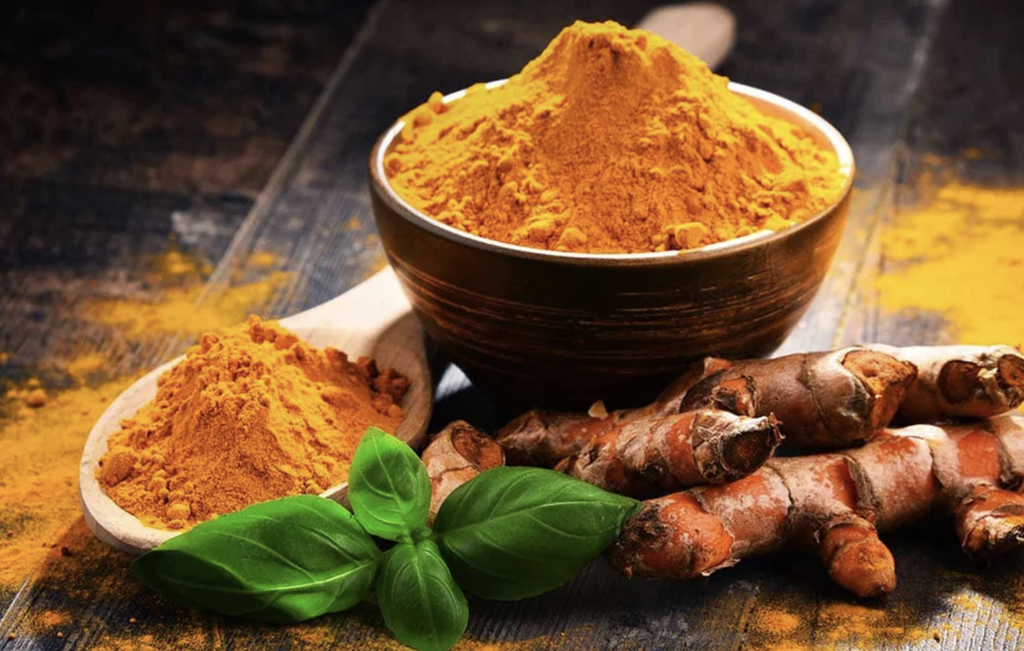
Turmeric has been used for centuries in traditional medicine, but much of the scientific interest today focuses on one active compound: curcumin. Researchers continue to study curcumin because of its potential anti-inflammatory, antioxidant, and neuroprotective effects.
One of curcumin’s most studied effects involves inflammation. Researchers are especially interested in how curcumin counteracts inflammation. While inflammation helps the body heal after injury or infection, chronic inflammation can damage tissues over time and has been linked to diseases such as heart disease, autoimmune disorders, and cancer. By helping regulate this pathway, curcumin may help reduce unnecessary long-term inflammation.
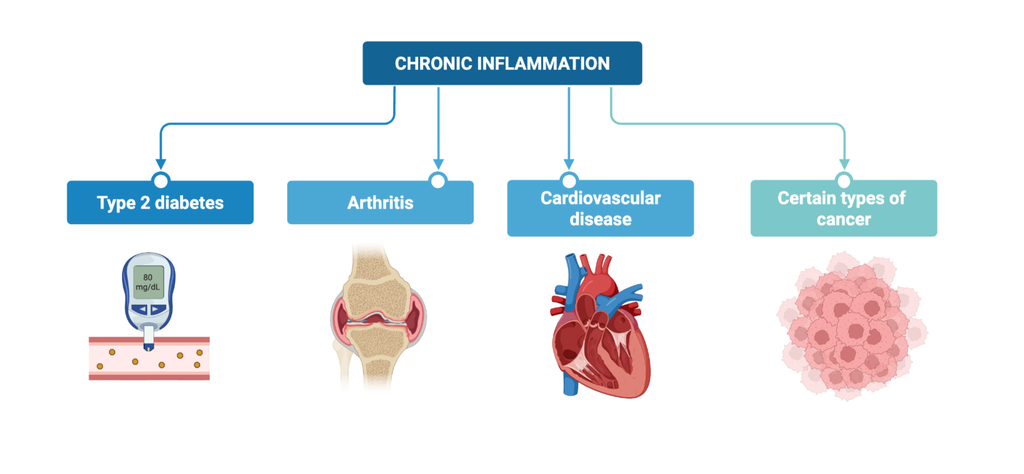
Chronic Inflammation as a Contributing Factor in Certain Diseases.
Created in https://BioRender.com
As an Antioxidant
Curcumin is also known for its antioxidant properties. During normal metabolism, cells naturally produce unstable molecules called free radicals, which can damage DNA, proteins, and cell membranes. Curcumin may help neutralize these molecules and protect cells from damage associated with aging and chronic disease.
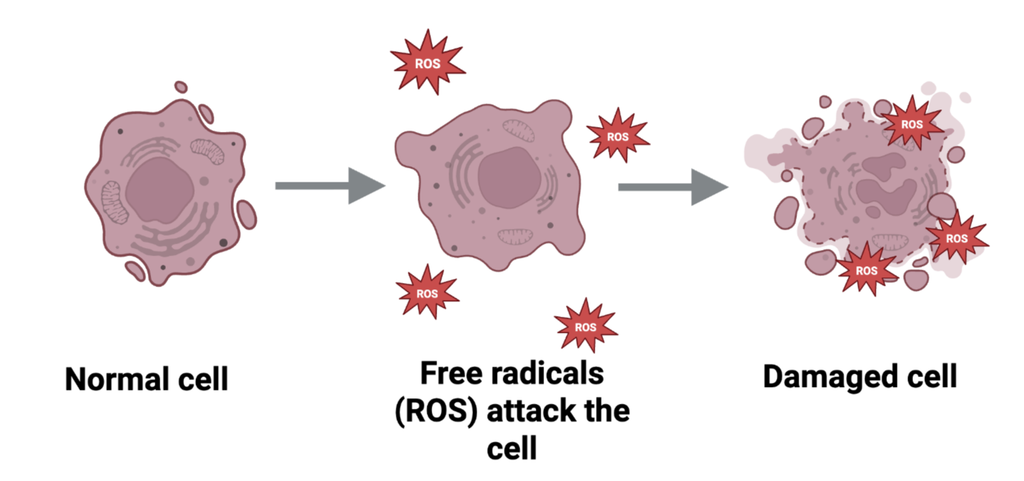
Oxidative Stress.
Created in https://BioRender.com
Anti-cancer properties in the lab
Further, Laboratory and animal studies suggest curcumin may interfere with cancer growth by encouraging damaged or abnormal cells to self-destruct, slowing the growth of blood vessels tumors need to survive, and blocking signals that help cancer cells spread. However, researchers emphasize that strong human clinical evidence is still limited.
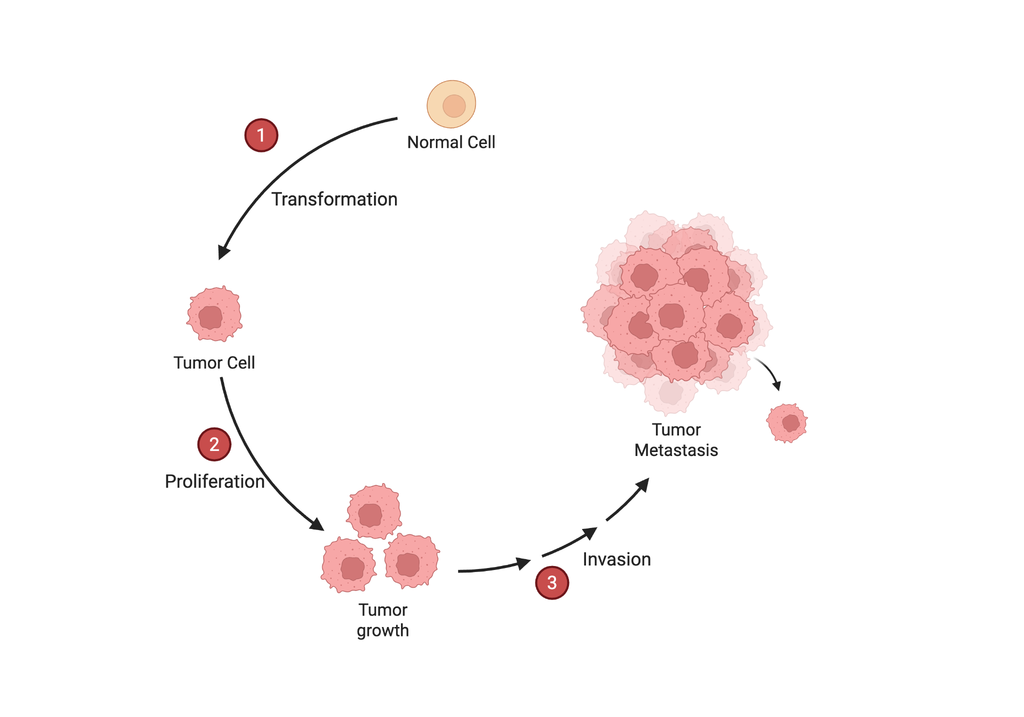
Cancer Progression Stages.
Created in https://BioRender.com
Neuroprotective function in lab animals.
Scientists are also investigating curcumin’s potential effects on brain health. Some studies suggest it may reduce inflammation and oxidative stress in the brain while helping prevent the buildup of harmful proteins associated with Alzheimer’s disease. Although results in animal studies are promising, more human research is needed before clear conclusions can be made.
Curcumin might sound almost too good to be true if it didn’t have one major flaw: poor bioavailability, meaning the body struggles to absorb and utilize it efficiently when taken orally. Additionally, curcuminoids make up only about 3–5% of turmeric by weight, meaning therapeutic doses commonly used in clinical studies (roughly 500–2000 mg per day) are difficult to obtain through diet alone. For readers who enjoy cooking, it’s easy to realize how difficult it would be to incorporate 30–50 grams of turmeric into meals every single day. Because of this, supplements are often used to achieve the more concentrated doses commonly studied in clinical research.
If you look at the Supplement Facts label on many curcumin supplements, you’ll often notice an ingredient called “piperine.” Piperine, a compound naturally found in black pepper, is added because it helps slow the metabolism of curcumin and improves how efficiently the body absorbs it.
Curcumin remains one of the most widely studied natural compounds in health science. While current research is promising, scientists continue to investigate how effective and safe it truly is for long-term human health.
Safety profile
Generally, well-tolerated at normal food doses. But at high doses:
- Interferes with iron absorption (Anemia).
- Large doses can cause severe gastrointestinal distress, diarrhea, and nausea.
- Acts as a mild blood thinner.