Anthocyanin Review
The Green Flags Found in Blue and Purple Pigments.
Introduction
The trending acai bowl, the growing demand of purple sweet potatoes, and the blue corn chips that have dominated the grocery stores, are all interconnected biochemically. The anthocyanin compound relates these foods together by providing them with their natural forming pigmentation, and various properties that combat age-related diseases.
Benefits
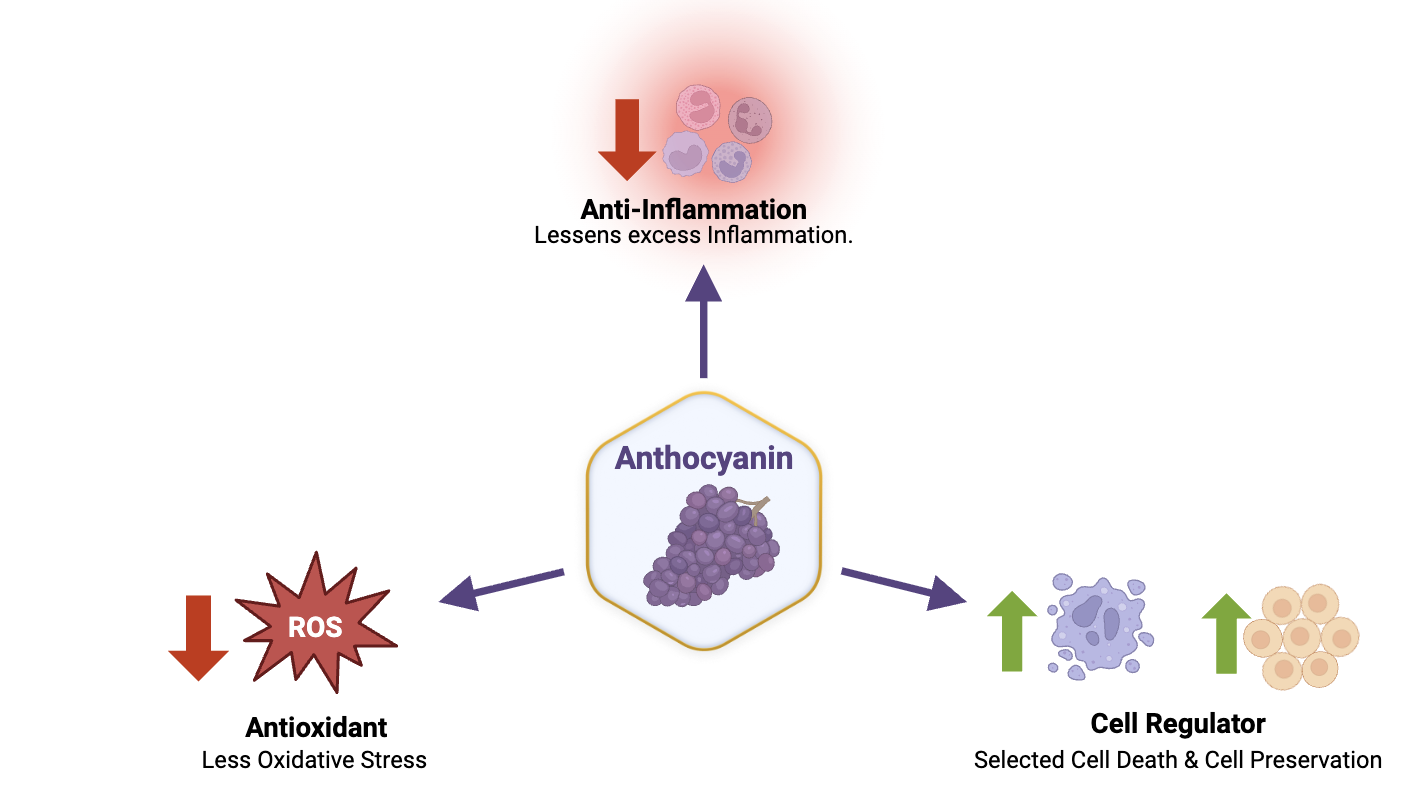
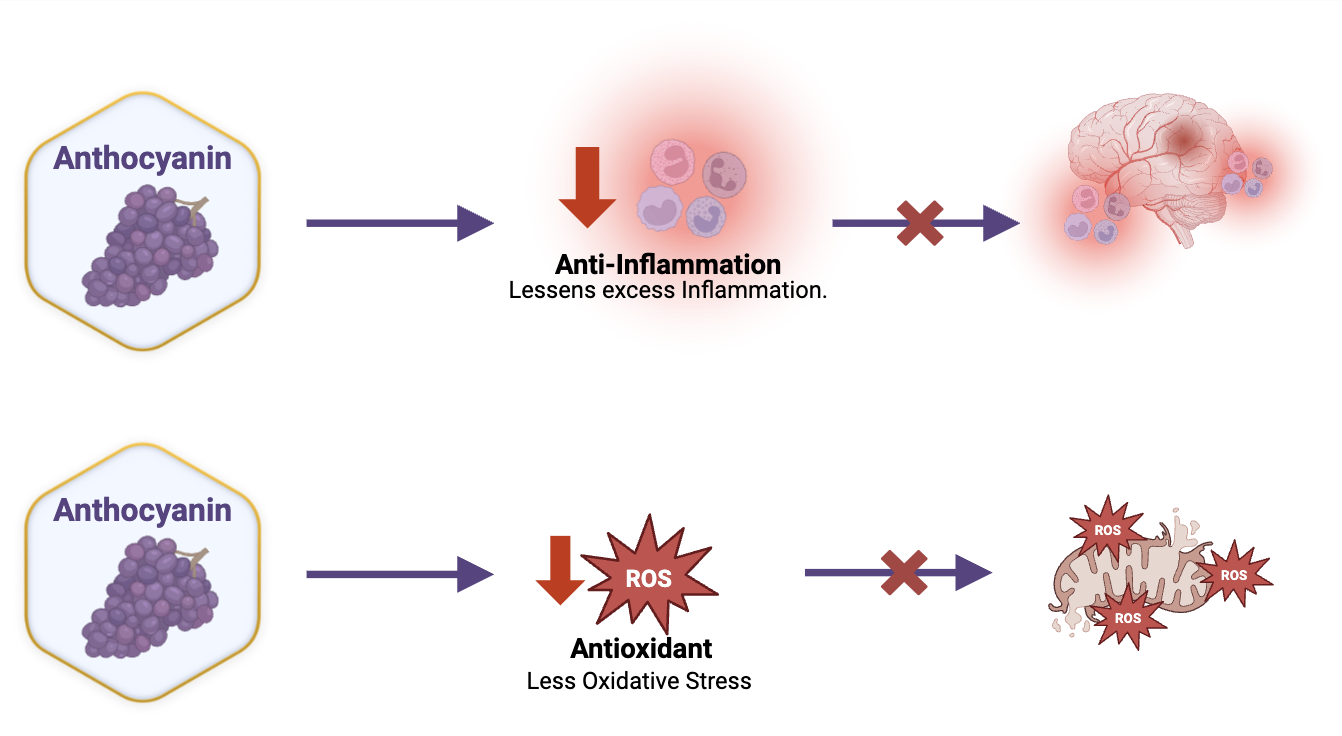
Anthocyanins adopt different roles depending on the systematic pathway or biological system they are interacting with. However, when contributing to longevity, they have the most impact as an antioxidant, an anti-inflammatory, and a cell regulator.
Cancer Prevention
The idea that anthocyanin rich foods have the ability to lower the risk of cancer, seems far-fetched. However, the production of reactive oxygen species (ROS) is considerably lower when a patient consumes anthocyanin rich foods. In the absence of ROS, we experience less oxidative stress, and more preservation of cellular health.
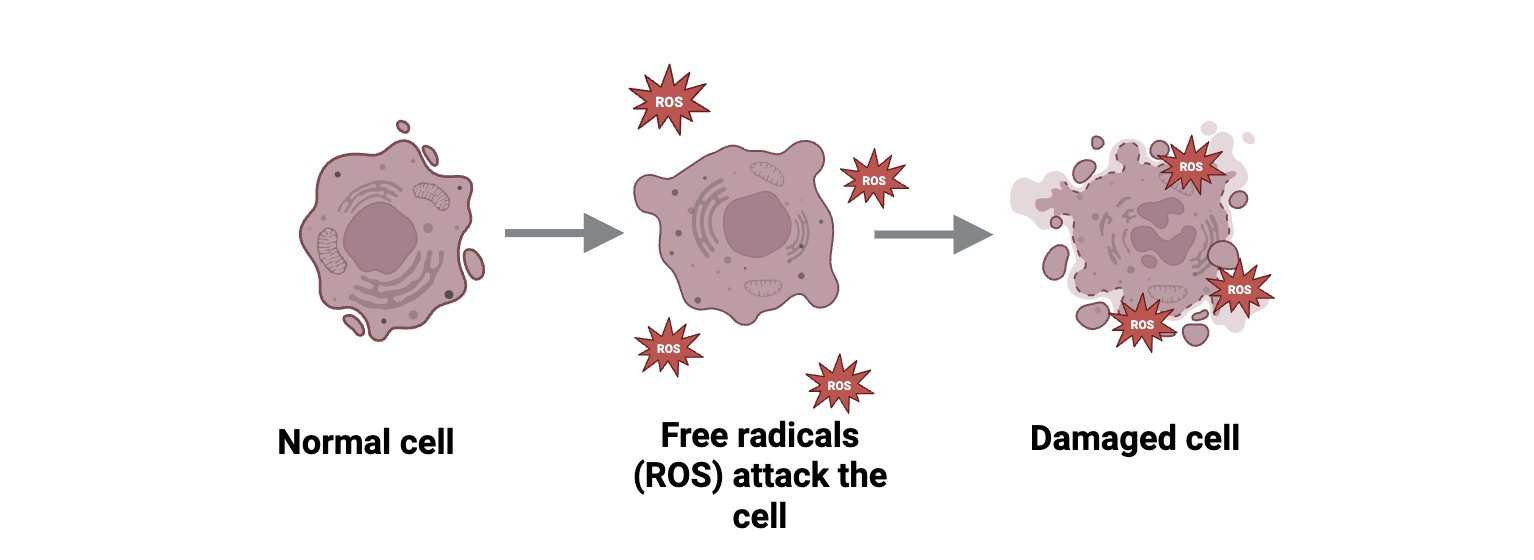
Cancer begins with a cell mutation and grows through tumor formation, caused by uncontrolled cell replication. Fortunately, anthocyanins can act as an agent to prevent mutated cell formation. Alternatively this compound can initiate a response called apoptosis, otherwise known as programmed cell death. This can potentially target cancerous cells. Additionally, anthocyanin interferes with chronic inflammation which usually promotes tumor growth. Through animal testing, results further link the positive effects of this compound to tumor suppression and decreased risk of cancers.
Cardiovascular Health
The cardiovascular system, responsible for circulating blood, oxygen, and nutrients, will also benefit from antioxidative and anti-inflammatory properties. Vascular endothelial cells are responsible for blood pressure regulation, maintaining blood vessels, and reducing artery stiffness. These cells are aging just as much as we are. Due to abnormal division and deterioration, these cells will stop working, increasing chances of cardiovascular diseases.
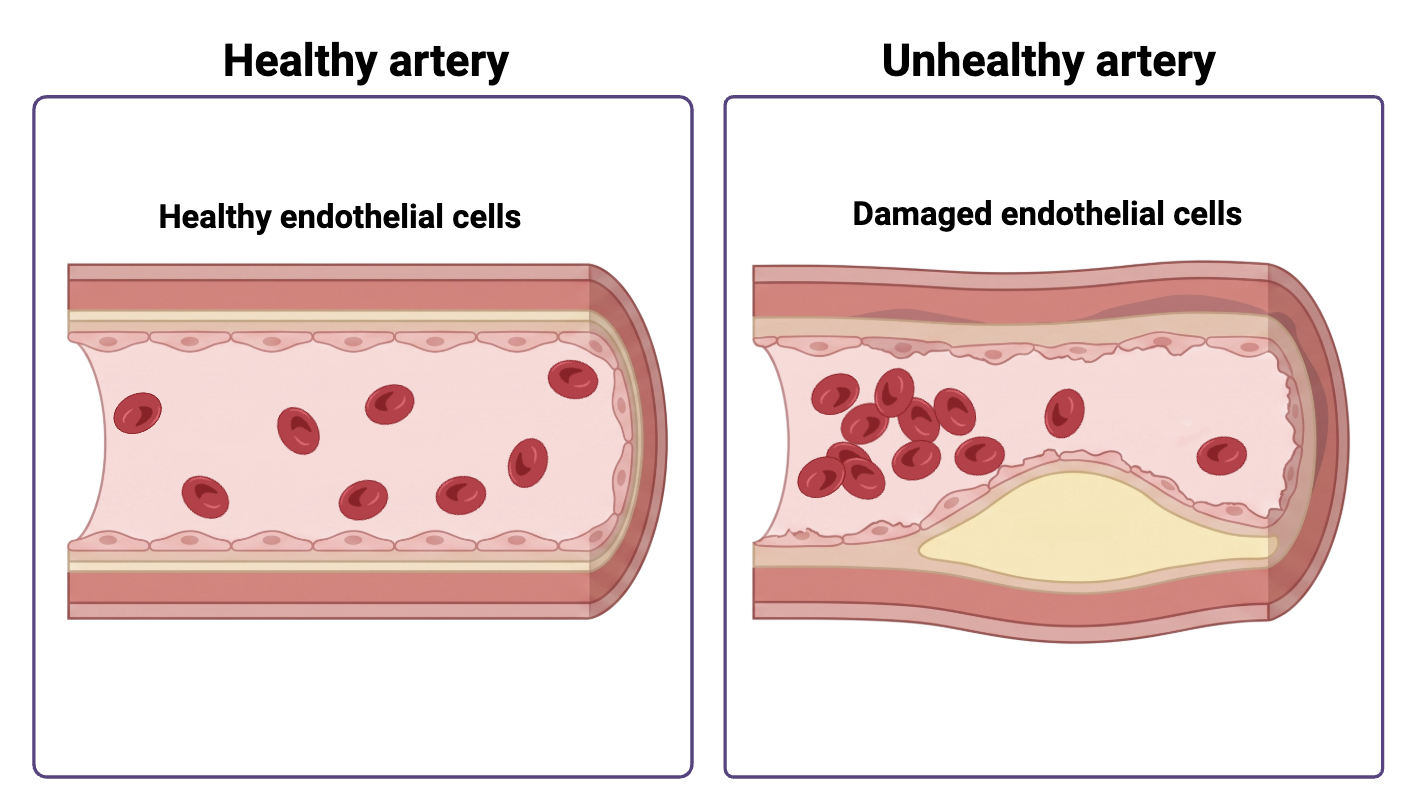
As oxidative stress and inflammation levels subside within the body, essential organs such as the liver and pancreas face higher preservation. Furthering the positive impact anthocyanin has on the essential systems and aging cells.
Neurodegenerative and Disease Protection
There has been more research and publicity around the development of neurological diseases such as Parkinson’s Disease and Alzheimer’s Disease.
Oxidative stress is one of the causes for mitochondrial dysfunction. This condition is one of the driving forces for Parkinson’s Disease. Whereas for Alzheimer’s Disease, reports show a direct linkage between neuroinflammation. Once again, Anthocyanin contains natural antioxidant and anti-inflammatory properties that aid in the protection against neurodegenerative diseases.
Also influenced by anthocyanin intake is Type 1 diabetes. Anthocyanin consumption has been shown to benefit patients with this condition by decreasing hypertrophy and increasing glucose tolerance.
Bone Health
Osteoporosis is a major threat to longevity since the weakening of our skeletal system will significantly influence the patient’s lifestyle by decreasing bone stability and mobility. Through animal studies, we have noticed that the anthocyanin compound has characteristics that result in less bone loss, decreased cartilage breakage, and reduced the presence of bone marrow fat.
Drawbacks & Limitations
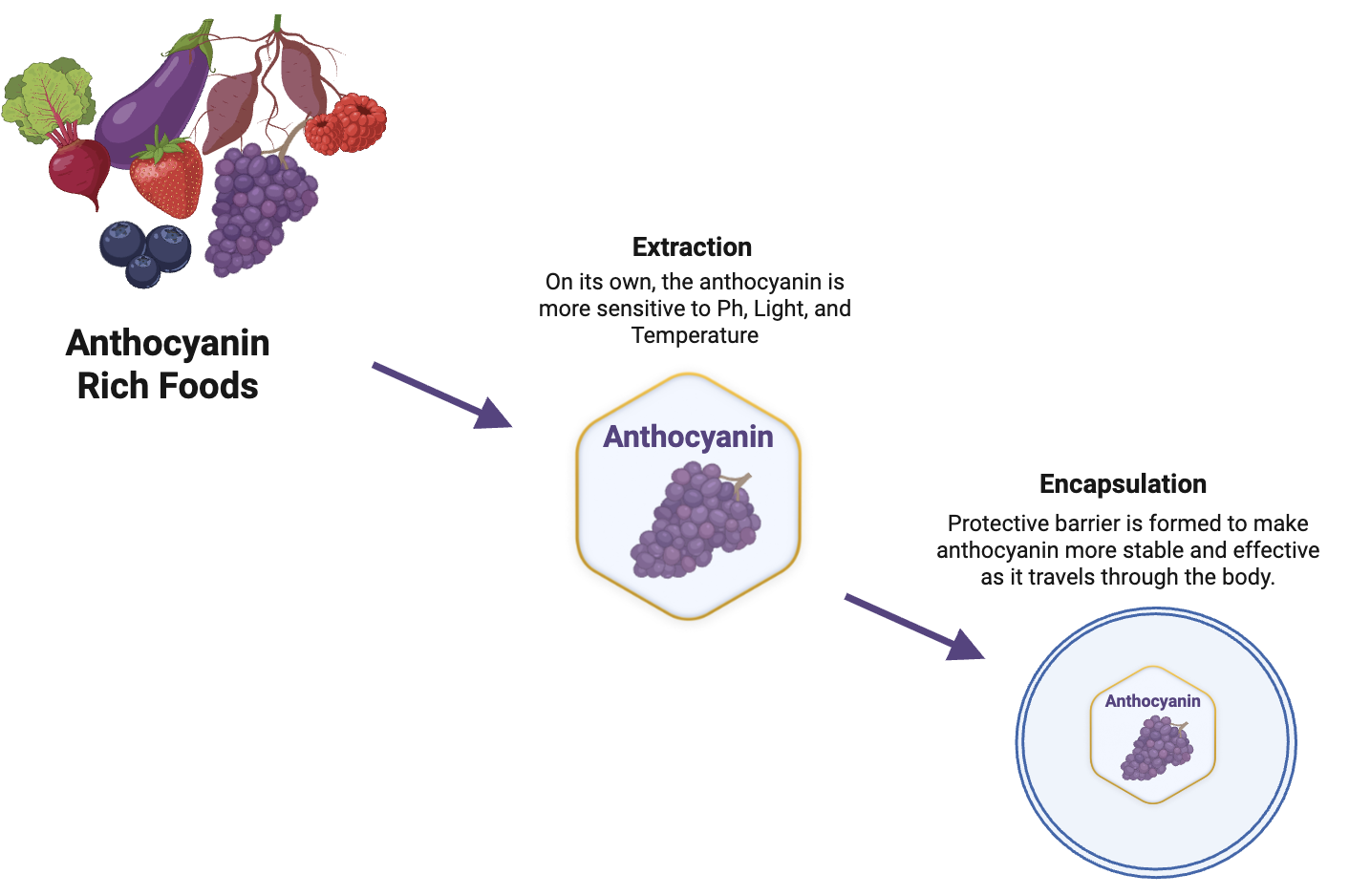
The main concern to the anthocyanin compound stems from its lack of bioavailability. Despite being found in various fruits and vegetables, the average human diet does not consume enough to see the health benefits this compound provides.
Stability and Absorption Tradeoff.
The inverse relationship between the chemical stability of anthocyanin and its absorption rate, makes it difficult to guarantee the compound’s advantages mentioned prior.
On top of this, variation of the human body plays a major role in this compound’s performance. Personal mitochondrial efficiency, enzymatic activity, and internal acidity levels vary within individuals and interfere in how well a patient can absorb the anthocyanin compound. It has been reported that the majority of anthocyanins pass through our systems and exit through urine and feces, where only 1.8% of the consumed anthocyanins are actually being absorbed.
Solutions
While it is in the midst of trials, scientists proposed encapsulation. This process uses a gel-like nanocomplex to cover the anthocyanin molecule which decreases degradation over time, and improves accessibility to help increase anthocyanin absorption rates.
Conclusion
As more anthocyanin rich foods gain popularity, consider that over consumption of anthocyanins may be required to see any health benefits mentioned above. As of right now, companies should tread lightly when relating this compound to the direct improvement of human health since our data is based on animal experiments. In contrast to being viewed as a treatment to an already diagnosed health issue, anthocyanin consumption should be more accurately associated with preventative medicine. The future of this purple pigment is looking promising as we progress towards more clinical trials, to discover validated health benefits, the best way for consumption, and understanding of the overall contributions these pigments have towards longevity.